







Winter in New England means sealed windows, longer time indoors, and heating systems running nonstop. While that keeps your home warm, it can also trap pollutants inside and quietly degrade your indoor air quality. Many homeowners do not realize that winter is often when indoor air quality is at its worst, and when it can have the biggest impact on your family’s health.
Understanding how indoor air quality affects your home during the colder months can help you take steps to protect your comfort, health, and long-term well-being.
Why Indoor Air Quality Gets Worse in Winter
During winter, homes are designed to keep heat in. That also means fresh air stays out. Limited ventilation allows airborne contaminants to build up faster than they can escape. Common winter contributors include:
- Dust, pet dander, and pollen trapped indoors
- Dry air from heating systems
- Combustion byproducts from furnaces, boilers, and fireplaces
- Moisture buildup that encourages mold growth
- Household chemicals from cleaners, paints, and stored materials
When these pollutants circulate continuously through your heating system, they affect every room in your home.
Health Effects of Poor Indoor Air Quality
Poor indoor air quality does more than cause discomfort. Over time, it can contribute to serious health concerns, especially for children, seniors, and those with existing respiratory conditions.
Increased Respiratory Issues
Dry winter air combined with dust and allergens can irritate airways. This often leads to coughing, congestion, sore throats, and worsened asthma or allergy symptoms.
More Frequent Illness
Airborne bacteria and viruses spread more easily in stagnant indoor air. Without proper filtration and circulation, germs can linger longer, increasing the chances of colds and flu spreading through your household.
Headaches and Fatigue
Carbon monoxide, volatile organic compounds, and poor oxygen circulation can cause headaches, dizziness, and ongoing fatigue. These symptoms are often subtle but persistent during winter months.
Skin and Eye Irritation
Low humidity levels can dry out skin, eyes, and sinuses, causing itching, irritation, and discomfort that many people mistake for seasonal allergies.
How Your HVAC System Affects Indoor Air Quality
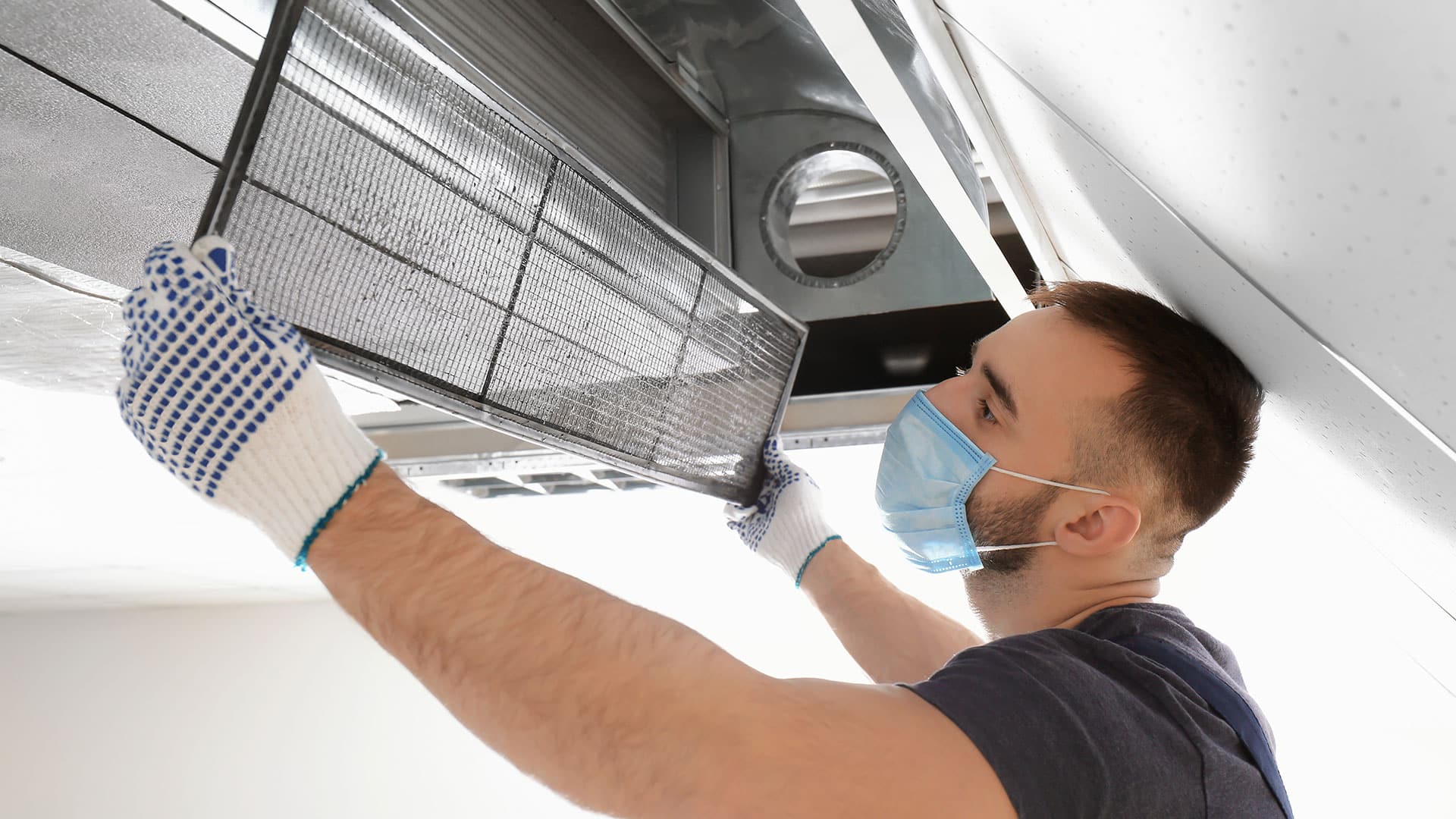
Your heating system plays a major role in how clean or polluted your indoor air becomes. An aging or poorly maintained system can spread contaminants throughout your home instead of filtering them out.
Key HVAC-related contributors include:
- Dirty or clogged air filters
- Dust buildup inside ductwork
- Inadequate ventilation
- Unbalanced humidity levels
- Improperly functioning combustion equipment
Regular maintenance and upgrades can dramatically improve how clean your air feels during winter.
Solutions to Improve Indoor Air Quality During Winter
Improving indoor air quality does not require major renovations. Strategic upgrades and routine service can make a noticeable difference.
High-Efficiency Air Filtration
Upgrading to higher-grade filters or whole-home air cleaners helps capture smaller particles that standard filters miss, including allergens and bacteria.
Humidity Control
Whole-home humidifiers help maintain balanced moisture levels, reducing dry air discomfort while limiting conditions that promote mold growth.
Duct Cleaning and Sealing
Clean, well-sealed ductwork prevents dust, debris, and insulation particles from circulating through your home.
Ventilation Improvements
Energy-efficient ventilation systems bring in fresh outdoor air without sacrificing warmth, improving air circulation during winter months.
Regular HVAC Maintenance
Seasonal inspections ensure your heating system is operating safely and efficiently while keeping indoor air clean.
Why Professional Indoor Air Quality Services Matter
Indoor air quality problems are often invisible. Professional testing and evaluation can identify hidden issues such as carbon monoxide leaks, excessive particulate levels, or humidity imbalances. Addressing these problems early helps protect your family’s health and prevents long-term damage to your HVAC system.
A trusted local HVAC and plumbing provider can recommend solutions tailored to your home, lifestyle, and winter heating setup.
Breathe Easier This Winter
Winter should be a time of comfort, not coughing, fatigue, or constant congestion. By improving your indoor air quality, you create a healthier home environment that supports better sleep, stronger immunity, and overall peace of mind throughout the cold season.
If your home feels stuffy, dry, or uncomfortable during winter, it may be time to take a closer look at your indoor air quality.